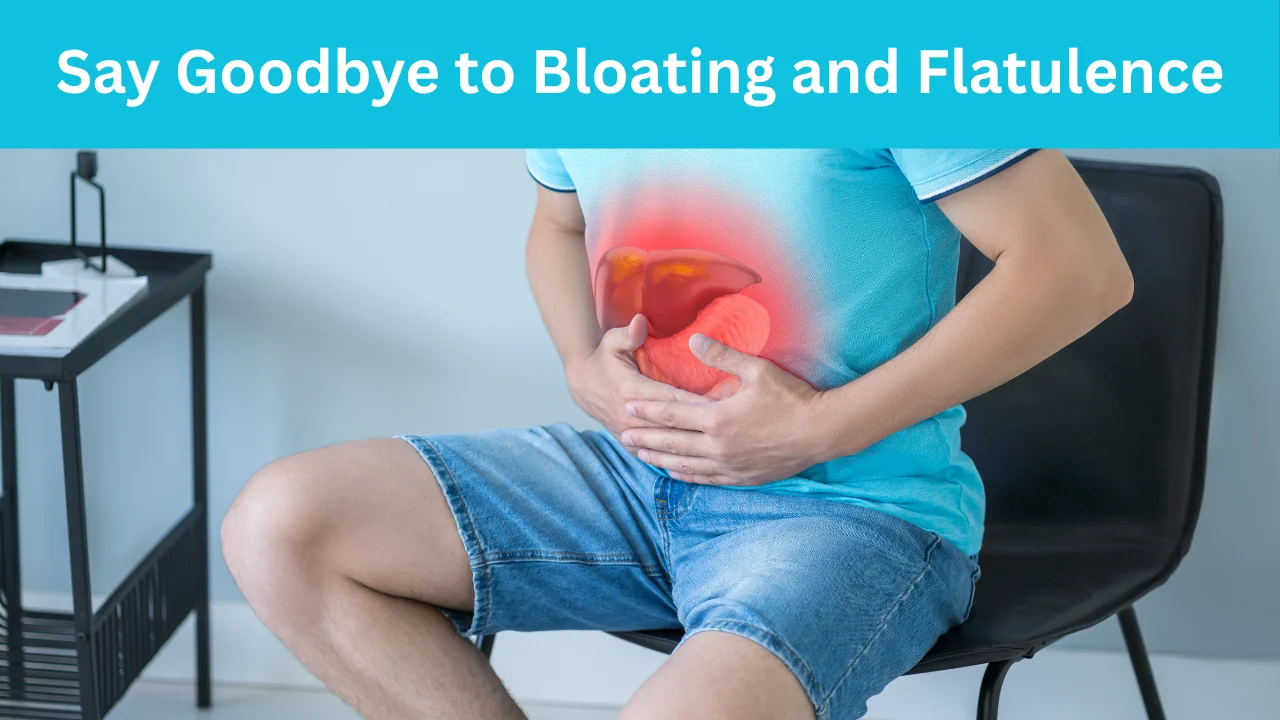
You know that uncomfortable feeling after a big meal when your belly feels tight and full. It happens to everyone at some point, but if it sticks around too often, it can ruin your day. Imagine enjoying your favourite foods without worrying about that swollen sensation or embarrassing sounds. You can say goodbye to bloating and flatulence by making small changes that fit your life. This guide shares easy steps based on what works for many people facing the same issues.
Many folks deal with stomach bloating after eating or notice more gas during stress. These problems come from everyday habits and foods you eat. You might feel better just by tweaking your routine a bit. Think about times when you felt light and energetic instead of heavy. You can get back to that with simple tips that target the root of the trouble. Let’s explore how you can take control and feel comfortable again.
Understanding Bloating Issues
You often wonder what bloating really means for your body. It shows up as a full feeling in your belly that makes clothes feel tight. Gas builds up and causes pressure that leads to discomfort. Flatulence happens when that gas escapes, sometimes with sound or smell. These signs point to how your digestion works each day.
Common Signs You Notice
Your stomach might swell after meals, making you loosen your belt. You could hear rumbling sounds or feel cramps that come and go. Burping more than usual signals trapped air in your upper gut. These feelings disrupt your focus and make social events awkward. Paying attention to when they happen helps you spot patterns.
Main Reasons Behind Discomfort
Certain foods like beans or dairy trigger gas if your body can’t break them down well. Swallowing air while eating fast or chewing gum adds to the problem. Hormones shift during your cycle and cause extra fluid retention in women. Stress slows digestion and lets bacteria produce more gas. Infections or imbalances in gut bacteria make matters worse over time.
How Digestion Affects You
Your gut breaks down food with enzymes and bacteria that create gas as a byproduct. When food moves slowly, fermentation increases and leads to bloating. Water intake plays a key role in keeping things smooth. Exercise helps push gas through your system naturally. Understanding this process lets you make choices that support better gut function.
Differences in Men and Women
Women often face more bloating causes in females due to monthly changes. Men might see issues from diet choices like beer or fatty meals. Both can have similar triggers but notice them at different times. Age impacts how your body handles food too. Knowing these variations helps you tailor your approach for relief.
When Symptoms Signal More
Occasional gas is normal but constant discomfort might point to deeper issues. You could have food sensitivities that build up over time. Conditions like IBS show up with ongoing cramps and changes in bowel habits. Tracking your days reveals if you need to check with a doctor. Early steps prevent small problems from growing big.
Causes of Stomach Bloating
You eat something and suddenly feel your abdomen bloating causes pressure. Many factors play into this common issue. Foods high in fiber or sugar alcohols ferment in your gut and produce gas. Lifestyle choices like sitting too much slow down your digestion. Medical reasons sometimes hide behind everyday discomfort.
Everyday Foods That Trigger
Dairy products cause trouble if lactose bothers you. Beans and broccoli have sugars that bacteria love to break down. Carbonated drinks add bubbles that expand in your stomach. Processed foods with additives lead to extra gas buildup. Choosing fresh options reduces these effects on your belly.
Lifestyle Habits to Watch
Eating too quickly lets you swallow more air than needed. Chewing gum or sucking on candy does the same thing. Lack of movement after meals keeps gas trapped inside. Stress makes your gut tense and slows food passage. Small adjustments in your routine bring big changes in comfort.
Health Conditions Involved
IBS often brings stomach bloating and gas along with pain. SIBO means too many bacteria in the wrong spot. Constipation blocks gas from escaping easily. Food allergies inflame your gut lining. Talking to a pro helps sort out these underlying causes.
Hormonal Changes Impact
In females, bloating causes and remedies link to cycle phases. Water retention swells your belly before periods. Pregnancy shifts hormones and adds pressure from growing baby. Menopause brings changes in digestion speed. Natural ways like herbal teas ease these shifts.
Environmental Factors at Play
Hot weather makes you drink more fizzy beverages. Travel disrupts your eating schedule and causes jet lag stress. Polluted air might affect gut health over time. Busy work life leads to rushed meals. Adapting to your surroundings supports better digestive health.
| Common Causes | Description | Examples | Potential Remedies |
|---|---|---|---|
| Food Intolerances | Body can’t digest certain sugars or proteins | Lactose in milk, gluten in wheat | Switch to lactose-free dairy, try gluten-free grains |
| Swallowed Air | Extra air enters gut during eating or drinking | Chewing gum, using straws | Eat slowly, avoid gum |
| Bacterial Overgrowth | Too many bacteria ferment food in small intestine | SIBO condition | Probiotic supplements, low-FODMAP diet |
| Constipation | Slow bowel movements trap gas | Low fiber intake, dehydration | Increase water, add fiber-rich veggies |
| Hormonal Shifts | Changes cause fluid retention | Menstrual cycle, pregnancy | Herbal teas, light exercise |
Natural Remedies for Bloating
You can say goodbye to bloating and flatulence with natural approaches that work gently. Home fixes use items from your kitchen or garden. These methods target gas relief without harsh side effects. Regular use builds better habits for long-term comfort. Start with one or two to see what fits you best.
Drinks That Soothe Gut
Warm lemon water starts your day and aids digestion. Peppermint tea relaxes muscles in your intestines. Ginger brew calms inflammation and reduces gas. Fennel seed infusion breaks down trapped bubbles. Drink these after meals for quick bloating relief.
Foods That Help Digestion
Bananas provide potassium to balance fluids. Yogurt with live cultures boosts good bacteria. Cucumber hydrates and flushes excess gas. Spinach offers magnesium for smooth muscle function. Add these to meals for natural remedies for bloating.
Herbs and Spices Benefits
Turmeric cuts down on gut swelling. Caraway seeds prevent gas formation. Chamomile eases cramps and promotes relaxation. Anise helps expel built-up air. Use them in cooking or as teas for daily support.
Massage Techniques for Relief
Gentle clockwise rubs on your belly move gas along. Stomach bloating massage takes just five minutes. Use light pressure to avoid discomfort. Do this lying down after eating. Combine with deep breaths for better results.
Breathing Exercises to Try
Deep belly breaths activate your rest mode. Inhale slowly through nose and exhale from mouth. This reduces stress that worsens bloating. Practice for ten minutes daily. It helps release tension in your gut area.
Exercises to Reduce Bloating
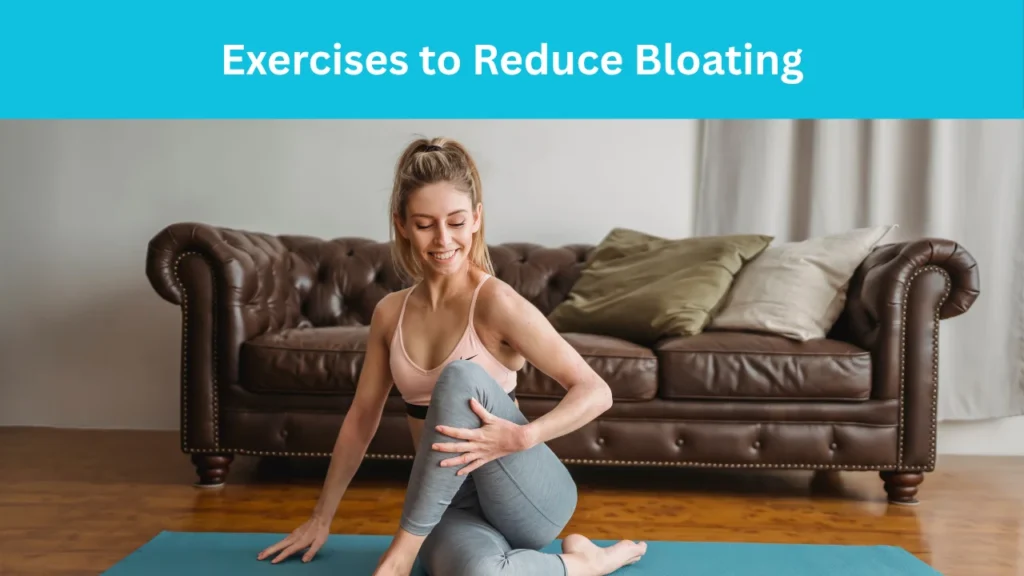
You feel better when you move your body after feeling full. Simple activities push gas through your system. Bloating stomach exercises focus on gentle motions. Build them into your day for ongoing benefits. Consistency matters more than intensity here.
Walking Routines for Digestion
A short stroll after lunch aids food movement. Aim for fifteen minutes at a comfortable pace. This helps say goodbye to bloating and flatulence naturally. Fresh air adds to the relaxing effect. Track how it improves your comfort over weeks.
Yoga Poses for Gut Health
Child’s pose stretches your lower back and belly. Cat-cow alternates arch and round for spine mobility. Wind-relieving pose targets trapped gas directly. Supine twist releases tension on both sides. Hold each for thirty seconds to feel relief.
Stretching Moves at Home
Seated forward bend reaches your abdomen area. Standing side bends open up your torso. Knee-to-chest hug draws out air pockets. Do these bloating yoga styles in the morning. They prepare your gut for the day ahead.
Core Strengthening Activities
Planks build support without straining your belly. Bicycle crunches engage muscles gently. Leg lifts from lying position tone lower abs. Start with short holds and build up. Strong core helps prevent future bloating episodes.
Aerobic Options for Relief
Light jogging shakes up stuck gas. Swimming provides full body motion without impact. Cycling outdoors or on a stationary bike works well. Choose what you enjoy for stomach gas relief exercises. Twenty minutes most days makes a difference.
| Exercise Type | Benefits | How to Do It | Duration |
|---|---|---|---|
| Walking | Moves gas through intestines | Brisk pace outdoors | 15-30 minutes daily |
| Yoga Poses | Relaxes gut muscles | Child’s pose on mat | 5-10 minutes session |
| Stretching | Releases trapped air | Knee-to-chest on floor | 10 minutes morning |
| Core Work | Supports digestion | Plank position hold | 1-2 minutes build up |
| Aerobic | Improves overall flow | Light cycling ride | 20 minutes most days |
Diet Changes for Relief
You change what you eat to cut down on discomfort. Focus on foods that digest easily. Avoid triggers that cause bloating and gas. Meal planning keeps you on track. Small shifts lead to big improvements in how you feel.
Foods to Eat More
Oatmeal provides soluble fiber that absorbs gently. Rice calms your stomach without fermenting much. Eggs offer protein minus the gas. Berries add sweetness with low sugar impact. These choices support digestive health daily.
Items to Limit Daily
Fried foods slow down your gut process. Onions and garlic ferment strongly in some people. Soda introduces extra air bubbles. Limit these for how to reduce bloating. Replace with milder options over time.
Meal Planning Ideas
Start with small breakfast like yogurt and fruit. Lunch could be grilled chicken with veggies. Dinner focuses on fish and greens. Snacks include nuts in moderation. This structure prevents stomach bloating after eating.
Hydration Tips for Gut
Drink water between meals not during. Add slices of cucumber for flavor. Herbal teas count toward your total. Aim for eight glasses spread out. Proper hydration flushes gas and aids smooth digestion.
Supplement Options to Consider
Probiotics restore balance in your bacteria. Digestive enzymes help break down tough foods. Magnesium relaxes gut muscles. Choose quality brands after research. They complement your diet for better results.
| Foods to Avoid | Why They Cause Issues | Alternatives | Benefits of Swap |
|---|---|---|---|
| Beans | High in hard-to-digest sugars | Lentils soaked overnight | Easier on gut bacteria |
| Dairy Milk | Lactose for intolerant people | Almond milk | No fermentation issues |
| Broccoli | Raffinose sugar content | Asparagus | Less gas production |
| Carbonated Drinks | Added air bubbles | Herbal tea | Calms digestion |
| Wheat Bread | Gluten sensitivity in some | Rice cakes | Lighter on stomach |
Prevention Methods Daily
You build habits that keep bloating away for good. Start your day with routines that set a positive tone. Adjust as needed based on your body signals. Prevention beats dealing with issues after they start. Stay consistent for lasting comfort.
Morning Routines for Comfort
Begin with warm water and lemon to kickstart digestion. Follow with light stretches to wake your gut. Eat breakfast slowly in a calm spot. This sets you up to avoid bloating causes throughout the day.
Stress Management Techniques
Deep breathing calms your nervous system. Short walks clear your mind. Journaling releases built-up thoughts. Less stress means smoother gut function. Try one method each day to see what helps most.
Sleep Habits for Digestion
Aim for seven to eight hours nightly. Avoid heavy meals before bed. Keep a regular schedule. Good rest supports hormone balance. Better sleep reduces next-day bloating risks.
Tracking Your Progress
Note foods and feelings in a simple journal. Look for patterns over a week. Adjust based on what works. Celebrate small wins like fewer gas episodes. This keeps you motivated for change.
Community Support Ideas
Share tips with friends facing similar issues. Join online groups for advice. Read stories from others who improved. Support makes sticking to changes easier. You feel less alone in your journey.
When to Seek Help in Bloating?
You listen to your body for signs that need pro attention. Occasional issues are fine but ongoing ones deserve a check. Doctors offer tests to find hidden causes. Early help prevents bigger problems down the line. Trust your gut when something feels off.
Signs of Serious Issues
Pain that lasts days signals possible trouble. Blood in stool needs quick attention. Unexplained weight loss pairs with bloating sometimes. These point beyond simple gas. See a doc if they appear.
Tests Doctors Might Suggest
Blood work checks for intolerances. Stool samples look at bacteria levels. Breath tests detect SIBO. These help pinpoint exact causes. Results guide better treatment plans.
Treatment Options Available
Medications ease symptoms for some conditions. Diet changes under guidance work well. Therapy addresses stress links. Options fit your specific needs. Work with pros for safe approaches.
Follow Up Care Tips
Keep appointments to track progress. Share updates on what helps. Adjust plans as needed. Regular check-ins ensure ongoing relief. Build a team for your health.
Building Long Term Health
Focus on whole body wellness beyond gut. Balance work and rest. Eat varied nutritious foods. Move daily in ways you enjoy. This approach supports lasting freedom from discomfort.
FAQs
What quick ways reduce bloating fast? You can walk for ten minutes to move gas. Drink peppermint tea for muscle relaxation. Avoid salty foods to cut fluid retention. These steps bring relief in under an hour.
Why does bloating happen after meals? Certain foods ferment in your gut and produce gas. Eating too much stretches your stomach. Swallowed air adds to the mix. Slow down and choose easy digest foods.
Can exercise help with flatulence? Yes, movement like yoga pushes gas out. Regular walks improve gut flow. Core exercises strengthen support muscles. Start gentle to avoid extra discomfort.
What home remedies work for gas? Ginger tea settles your stomach. Fennel seeds chewed after meals help. Warm compress on belly relaxes tension. These natural options ease symptoms safely.
When should I see a doctor for bloating? Go if pain persists over days. Watch for changes in bowel habits. Unexplained fatigue or weight shifts matter. Early checks catch issues soon.
Summary
You can say goodbye to bloating and flatulence by understanding causes and using natural remedies. Change your diet to include helpful foods and limit triggers. Add exercises like walking and yoga to your routine. Drink soothing teas and practice stress relief. Track your habits to see what works best. These steps lead to better digestive health and more comfort each day. Remember to seek help if symptoms stay strong.

Dr. Max is a passionate writer with deep expertise in the health industry. He shares insightful, research-based content on wellness, fitness, and remedies to help readers make informed and healthier lifestyle choices.