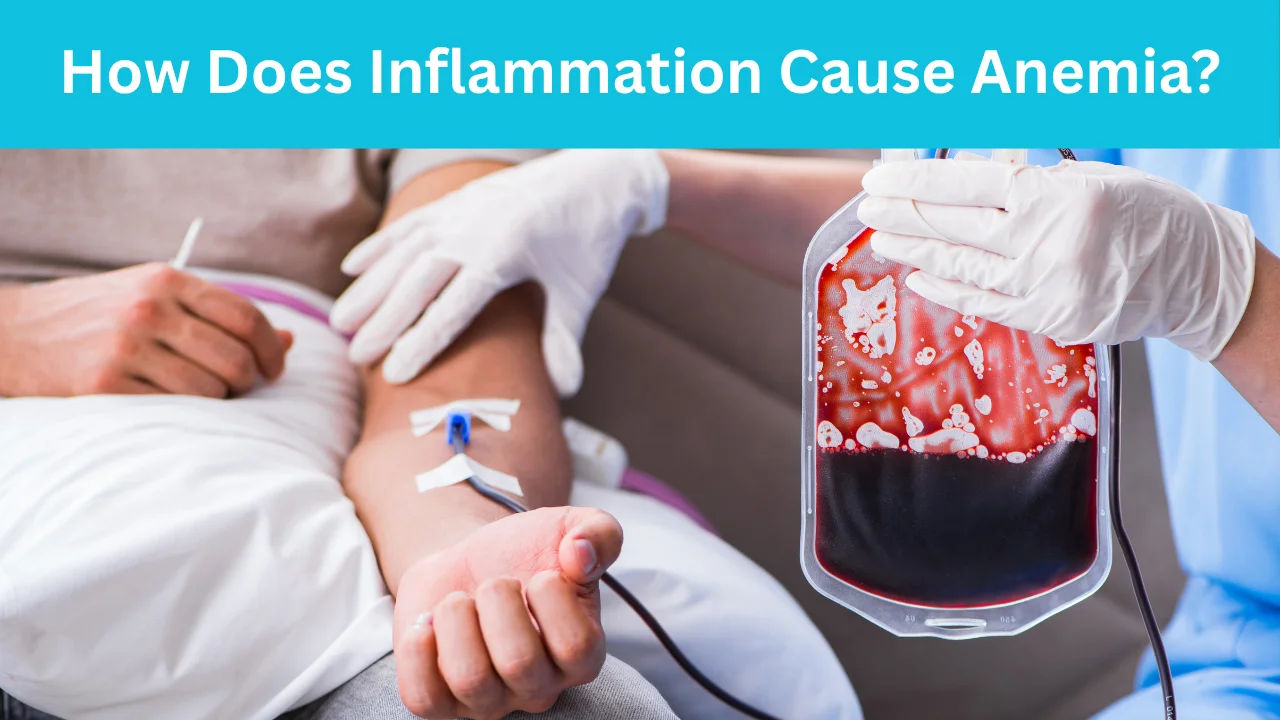
You might feel tired, weak, or short of breath and wonder why. Could inflammation be the culprit behind these symptoms? Inflammation, your body’s response to injury or infection, can sometimes lead to anemia, a condition where you lack enough healthy red blood cells. Understanding how inflammation causes anemia can help you take control of your health. This article explores the connection between inflammation and anemia, diving into causes, symptoms, and treatments, with practical tips to manage both conditions effectively.
Understanding Anemia Basics
Anemia affects millions worldwide, leaving you feeling drained. It happens when your body doesn’t have enough red blood cells or hemoglobin to carry oxygen to tissues. This can stem from various causes, including iron deficiency, blood loss, or chronic diseases. Knowing the basics of anemia sets the stage for understanding its link to inflammation.
What Is Anemia
Anemia is a condition where your red blood cell count or hemoglobin levels drop below normal. This reduces oxygen delivery to your organs, causing fatigue, weakness, and pale skin. Anemia and its types include iron deficiency anemia, vitamin B12 deficiency, and anemia of chronic disease. Each type has unique causes and symptoms.
Common Anemia Symptoms
You might notice anemia symptoms like tiredness, dizziness, or shortness of breath. Other signs include pale skin, cold hands, and headaches. In women, anemia symptoms in women may also include irregular periods or brittle nails. These symptoms can disrupt daily life, making early diagnosis crucial.
Anemia Classification Types
Anemia is classified by cause or red blood cell characteristics. Anemia classification includes microcytic (small cells, often from iron deficiency), macrocytic (large cells, often from B12 deficiency), and normocytic (normal-sized cells, often from chronic disease). Understanding these types helps pinpoint the root cause, like inflammation.
Why Anemia Matters
Anemia isn’t just about feeling tired. Left untreated, it can strain your heart, weaken your immune system, and lower your quality of life. Knowing what causes anemia empowers you to seek treatment early, especially when inflammation plays a role.
Inflammation and Its Role
Inflammation is your body’s way of fighting harm, but when it lingers, it can cause trouble. Chronic inflammation, often linked to diseases like arthritis or infections, disrupts normal body functions. Let’s explore how inflammation causes anemia and why it’s a bigger deal than you might think.
What Is Inflammation
Inflammation is your immune system’s response to injury, infection, or stress. Acute inflammation, like swelling from a cut, is short-term. Chronic inflammation, however, persists and can damage tissues. Inflammation causes and cures depend on the trigger, but chronic cases often lead to health issues like anemia.
How Inflammation Affects Blood
Chronic inflammation messes with your body’s ability to produce red blood cells. It disrupts iron metabolism, leading to iron deficiency anemia. Inflammatory proteins, like cytokines, reduce red blood cell production and lifespan, causing low red blood cell count. This creates a direct link to anemia.
Chronic Diseases and Inflammation
Diseases like rheumatoid arthritis, lupus, or inflammatory bowel disease fuel chronic inflammation. These conditions trigger anemia in chronic diseases by altering iron absorption and bone marrow function. If you have a chronic illness, you’re at higher risk for anemia caused by inflammation.
Inflammation’s Impact on Iron
Inflammation traps iron in storage cells, making it unavailable for red blood cell production. This leads to iron deficiency symptoms like fatigue and weakness, even if your diet includes iron-rich foods. Understanding this connection is key to managing iron deficiency anemia causes symptoms & treatment.
| Inflammation vs. Anemia Connection | Details |
|---|---|
| Cause | Chronic inflammation from diseases like arthritis or infections |
| Effect on Iron | Traps iron in storage, reducing availability for red blood cells |
| Resulting Anemia Type | Anemia of chronic disease or iron deficiency anemia |
| Common Symptoms | Fatigue, pale skin, shortness of breath, weakness |
Iron Deficiency and Anemia
Iron is the backbone of hemoglobin, the protein that carries oxygen in your blood. When inflammation disrupts iron levels, iron deficiency anemia can develop. Let’s break down how this happens and what you can do about it.
Iron Deficiency Causes
Iron deficiency occurs when your body lacks enough iron to produce hemoglobin. Causes include poor diet, blood loss, or inflammation. Chronic inflammation blocks iron absorption, leading to iron deficiency anemia causes symptoms & treatment that overlap with general anemia symptoms.
Iron Deficiency Symptoms
You might feel exhausted, dizzy, or have pale skin with iron deficiency symptoms. Other signs include brittle nails, hair loss, or cravings for non-food items like ice. These symptoms signal your body’s struggle to maintain healthy hemoglobin levels.
Iron Absorption Issues
Inflammation reduces your gut’s ability to absorb iron from food. Proteins like hepcidin, increased during inflammation, trap iron in cells, worsening iron absorption issues. This makes it harder for your body to use iron deficiency food to eat, like spinach or red meat.
Diagnosing Iron Deficiency
Doctors use blood tests to check hemoglobin, ferritin, and iron levels for anemia diagnosis. Low ferritin often points to iron deficiency, while high ferritin with anemia suggests inflammation. Knowing your levels helps tailor iron deficiency anemia treatment to your needs.
Treatment Options for Anemia
Treating anemia caused by inflammation requires addressing both the anemia and its root cause. From diet changes to medical interventions, here’s how you can tackle anemia treatment effectively.
Iron Deficiency Diet
Eating iron deficiency food to eat like leafy greens, lean meats, and fortified cereals boosts iron levels. Pair these with vitamin C-rich foods, like oranges, to enhance absorption. A well-planned iron deficiency diet can help combat iron deficiency anemia symptoms.
Iron Deficiency Supplements
Iron deficiency supplements like ferrous sulfate can restore iron levels. Your doctor may prescribe these if diet alone isn’t enough. Take supplements with food to avoid stomach upset, but avoid calcium-rich foods, which block absorption.
Treating Underlying Inflammation
To fix inflammation causes, treat the underlying condition. Medications like anti-inflammatories or immunosuppressants can reduce chronic inflammation. This improves iron availability and red blood cell production, addressing anemia causes symptoms and treatment.
Medical Interventions
In severe cases, treatments like blood transfusions or erythropoietin injections stimulate red blood cell production. These are often used for anemia in chronic diseases. Always consult your doctor to find the best anemia treatment foods or medical options for you.
| Treatment Options Comparison | Method | Benefits | Considerations |
|---|---|---|---|
| Iron Supplements | Oral pills | Boosts iron levels quickly | May cause stomach upset |
| Iron-Rich Diet | Food-based | Natural, sustainable | Slower results |
| Anti-Inflammatory Drugs | Medication | Reduces inflammation | Possible side effects |
| Blood Transfusions | Medical procedure | Immediate relief | Invasive, temporary |
Anemia Symptoms and Management
Recognizing and managing anemia symptoms can improve your quality of life. Let’s look at how to spot symptoms early and take steps to feel better.
Spotting Anemia Symptoms
Anemia symptoms include fatigue, weakness, and shortness of breath. In women, anemia symptoms in women might also involve heavy periods or hair loss. Pay attention to these signs, especially if you have a chronic illness causing inflammation.
Lifestyle Changes for Anemia
Simple changes like eating anemia treatment foods (e.g., liver, lentils) and staying active can help. Exercise improves circulation, but don’t overdo it if you’re fatigued. Managing stress also reduces inflammation, supporting anemia causes symptoms and treatment.
Monitoring Your Health
Regular blood tests track hemoglobin and iron levels. If you’re at risk for anemia risk factors like chronic inflammation, work with your doctor to monitor your health. Early detection prevents complications from low red blood cell count.
When to See a Doctor
If you experience severe fatigue and anemia, dizziness, or chest pain, seek medical help. These could signal serious anemia types and causes. Your doctor can recommend tests or treatments to address inflammation and blood health.
| Anemia Symptoms and Actions | Symptom | Action to Take |
|---|---|---|
| Fatigue | Persistent tiredness | Consult doctor, check iron levels |
| Pale Skin | Lack of color in skin | Increase iron-rich foods |
| Shortness of Breath | Difficulty breathing | Seek immediate medical advice |
| Dizziness | Feeling lightheaded | Monitor and report to doctor |
Preventing Anemia and Inflammation
Prevention is better than cure. By managing inflammation and supporting iron levels, you can lower your risk of anemia. Here’s how to stay ahead.
Healthy Diet Choices
Focus on an iron deficiency diet with foods like spinach, beef, and beans. Add vitamin C sources to boost absorption. Avoid excessive tea or coffee, which can hinder iron uptake. These choices support iron deficiency treatment.
Managing Chronic Conditions
Control chronic diseases like arthritis or diabetes to reduce inflammation causes and cures. Follow your doctor’s advice, take prescribed medications, and maintain a healthy lifestyle to keep inflammation in check.
Regular Health Checkups
Routine checkups catch anemia risk factors early. Blood tests for hemoglobin levels and inflammation markers help you stay proactive. This is especially important if you have a history of anemia in chronic diseases.
Stress and Lifestyle Balance
Chronic stress worsens inflammation, increasing anemia risk. Practice relaxation techniques like yoga or meditation. A balanced lifestyle supports inflammation and blood health, reducing the chances of iron deficiency anemia.
FAQs
What Causes Anemia from Inflammation?
Chronic inflammation from diseases like arthritis or infections disrupts iron metabolism and red blood cell production, leading to anemia causes. This is often called anemia of chronic disease.
Can Iron Supplements Cure Anemia?
Iron deficiency supplements can help if anemia is caused by low iron. However, if inflammation is the root cause, treating the underlying condition is also necessary.
What Foods Help Anemia?
Anemia treatment foods like red meat, lentils, spinach, and fortified cereals boost iron levels. Pair with vitamin C-rich foods for better absorption.
Are Anemia Symptoms Different in Women?
Anemia symptoms in women may include heavy periods, hair loss, or brittle nails, alongside general symptoms like fatigue and weakness.
How Is Anemia Diagnosed?
Doctors use blood tests to check hemoglobin, ferritin, and iron levels for anemia diagnosis. These tests identify the type and cause of anemia.
Also Read: What Should a Person With Anemia Eat
Summary
Inflammation can lead to anemia by disrupting iron metabolism and red blood cell production. Conditions like iron deficiency anemia or anemia of chronic disease often stem from chronic inflammation, causing symptoms like fatigue, pale skin, and shortness of breath. By understanding how inflammation causes anemia, you can take steps like eating an iron deficiency diet, using iron deficiency supplements, and managing chronic conditions. Regular checkups and a healthy lifestyle help prevent and treat anemia, improving your energy and well-being. Stay proactive, and consult your doctor for personalized advice.

Dr. Max is a passionate writer with deep expertise in the health industry. He shares insightful, research-based content on wellness, fitness, and remedies to help readers make informed and healthier lifestyle choices.