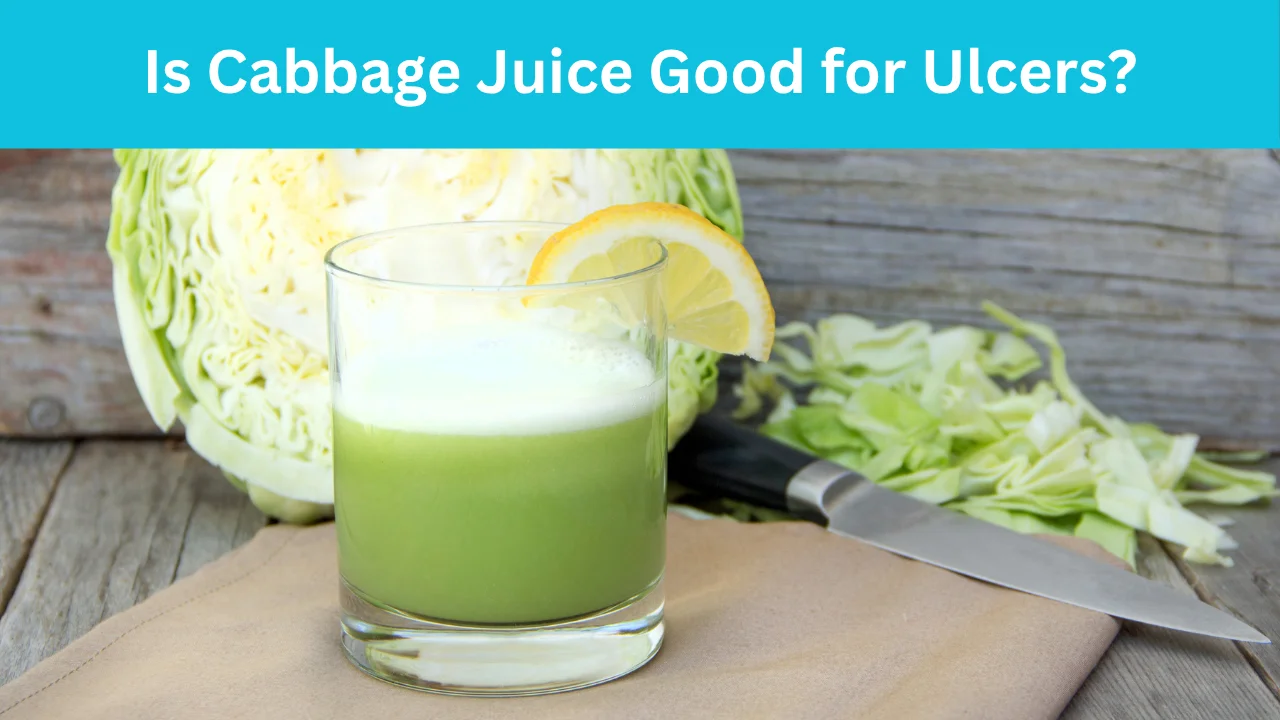
Picture yourself waking up with a burning pain in your stomach. Every meal feels like a gamble, and you’re tired of relying on pills. A friend mentions cabbage juice, and you raise an eyebrow. Could a simple vegetable drink really help? My aunt swore by it, ditching antacids after a few weeks of sipping it daily. If you’re struggling with stomach ulcers, you’re likely curious too. Is cabbage juice good for ulcers? Let’s dive into its benefits, how it works, and whether it’s worth trying. You might find a natural ally in this green juice.
Stomach ulcers are no small matter. These sores in your stomach lining cause sharp pain, especially after eating. They stem from bacteria, stress, or even certain medications. Cabbage juice has a reputation for soothing these sores. Studies from decades ago showed it could cut healing time significantly. Today, people share success stories online, claiming less pain in days. You deserve to know if this remedy fits your needs. This guide covers everything from health benefits to recipes. Let’s explore how cabbage juice might ease your ulcer journey.
Understanding Stomach Ulcers
What Are Stomach Ulcers
Stomach ulcers, or peptic sores, are open wounds in your stomach lining. They burn when acid touches them, causing discomfort after meals. You might feel a gnawing pain or bloating. If untreated, they can lead to bleeding or worse. Knowing what they are helps you tackle them. Cabbage juice for stomach ulcers may offer relief by protecting the gut lining.
Common Ulcer Symptoms
Ulcer symptoms hit hard. You may notice a burning sensation in your belly, especially between meals. Nausea, frequent burping, or feeling full quickly are common. Some lose weight unexpectedly. Severe cases bring blood in stools or dark vomit. These signs demand quick attention from a doctor.
Causes of Ulcers
Ulcers often stem from H. pylori bacteria, which weaken your stomach’s protective layer. Painkillers like ibuprofen can also erode the lining. Stress and smoking make things worse by boosting acid production. Spicy foods or alcohol irritate existing sores. Identifying these triggers helps you manage your ulcer care effectively.
Types of Ulcers
Ulcers come in different forms. Gastric ulcers form in the stomach, while duodenal ones hit the small intestine. Stress ulcers appear in severe illness, and esophageal ulcers affect the throat from acid reflux. Each type needs specific treatment, but diet, including cabbage juice, supports healing across the board.
Diagnosing Ulcers
Doctors diagnose ulcers with tools like endoscopy, which shows sores clearly. Breath tests detect H. pylori infection. Blood or stool tests check for anemia from bleeding. You’ll know the ulcer’s type and severity fast, guiding your treatment plan. Early diagnosis means quicker relief.
Cabbage Juice Benefits
Nutritional Power of Cabbage
Cabbage is a nutrient powerhouse. A cup of cabbage juice delivers vitamin C for tissue repair and vitamin K for blood clotting. Folate supports cell growth, and potassium balances fluids. These nutritional benefits of cabbage make it a strong ally for ulcer healing and overall gut health.
Healing Properties Explained
Cabbage juice for ulcers shines due to vitamin U, a compound that protects the stomach lining. Studies from the 1940s found patients healed ulcers in days, not weeks, with daily juice. It also fights H. pylori, reducing infection. This makes cabbage juice a natural partner for medical treatments.
Anti-Inflammatory Effects
Cabbage for inflammation works wonders. Its antioxidants, like polyphenols, reduce swelling in the gut. Red cabbage health benefits stand out with anthocyanins, which boost cell protection. Sipping cabbage juice daily can calm irritation, easing ulcer pain and supporting faster recovery.
Digestive Health Support
Cabbage juice for digestive problems soothes bloating and cramps. It promotes good gut bacteria, acting like a probiotic. For gastritis, it reduces lining irritation, helping you feel lighter after meals. Drinking cabbage juice on an empty stomach maximizes its calming effects on your stomach.
Nutritional Profile of Cabbage Juice
| Nutrient | Amount per Cup (240ml) | Role in Ulcer Healing |
|---|---|---|
| Vitamin C | 50mg (83% DV) | Repairs gut lining, fights oxidative stress |
| Vitamin K | 76mcg (95% DV) | Supports clotting, strengthens mucosal barrier |
| Folate | 43mcg (11% DV) | Promotes cell regeneration in stomach tissue |
| Potassium | 170mg (5% DV) | Balances acid levels, aids fluid regulation |
| Fiber | 2g | Eases digestion, prevents constipation |
This breakdown shows why cabbage juice is a go-to for ulcers. Its nutrients target healing directly, making every sip count.
Scientific Backing for Cabbage Juice
Early Studies on Ulcers
In 1949, researchers tested cabbage juice on ulcer patients. Those drinking a liter daily healed in 7-10 days, compared to 42 days with standard care. This sparked interest in cabbage juice for stomach ulcers. The vitamin U factor was key, shielding the gut from acid damage.
Modern Research Insights
Recent studies are mixed but promising. A 2014 rat study showed cabbage extract reduced ulcer size, matching some drugs. Reviews in 2023 noted anti-H. pylori effects, but human trials are sparse. Online cabbage juice reviews from users report less pain and bloating, supporting its use.
How Cabbage Fights H. Pylori
Cabbage juice contains sulforaphane, which targets H. pylori bacteria. This compound weakens the infection, helping your stomach heal faster. Combined with antibiotics, it can boost recovery. You get a natural edge against the root cause of most ulcers.
Healing Timeline Expectations
With cabbage juice, relief starts early. Pain often eases within a week. By week two, sores begin closing, and energy returns. Full healing may take a month, depending on severity. Regular sips, paired with doctor’s advice, speed up the process significantly.
Study Comparison Table
| Study Year | Participants | Treatment | Healing Time | Key Finding |
|---|---|---|---|---|
| 1949 | 13 humans | 1 liter fresh juice daily | 7-10 days | Healed 4-5x faster than standard care |
| 1952 | 65 prisoners | Concentrated juice vs placebo | 22 days | Significant ulcer size reduction |
| 2014 | Rats | Cabbage extract vs omeprazole | Reduced damage | Matched drug efficacy |
| 2023 | Meta-analysis | Various cabbage extracts | Varied | Confirmed anti-H. pylori benefits |
These studies show cabbage juice’s potential. It’s a strong complement to traditional ulcer treatment.
Making Cabbage Juice at Home

Simple Cabbage Juice Recipe
How to make cabbage juice at home is straightforward. Choose a fresh green or red cabbage. Wash thoroughly and chop into chunks. Use a juicer for pure liquid or a blender with a half-cup of water, then strain. This cabbage juice recipe yields about a liter, perfect for daily use.
Flavor Enhancement Tips
Cabbage juice’s taste can be earthy. Add a splash of lemon for brightness or a carrot for sweetness. Ginger adds a zesty kick, while apple softens the flavor. Blend in a 1:1 ratio with these add-ins to make cabbage juice uses more enjoyable without losing benefits.
Storage Best Practices
Fresh cabbage juice lasts two days in the fridge. Store in airtight glass jars to keep nutrients intact. Freezing in small cubes works for longer storage, though some potency fades. Always shake before drinking, as it settles quickly. Fresh is best for ulcer relief.
Fermenting for Extra Benefits
Fermenting cabbage juice boosts its probiotic power. Let it sit at room temperature for a day to cultivate good bacteria. This enhances gut health, making it a great option for cabbage juice for gastritis or bloating. Store fermented juice in the fridge for up to a week.
Tools for Easy Preparation
A juicer simplifies the process, producing smooth liquid fast. Without one, a blender and cheesecloth work well. Invest in a high-speed blender for efficiency. Clean tools immediately to avoid bacteria buildup, ensuring your juice stays safe and effective.
Dosage and Usage Guidelines
How Much to Drink Daily
How much cabbage juice a day for ulcers? Start with a half-liter, split into two cups. Build to a full liter over a week if your stomach tolerates it. Drinking cabbage juice on an empty stomach maximizes absorption. Consult your doctor to adjust based on your condition.
Adjusting for Ulcer Severity
Mild ulcers handle a liter daily well. Severe cases may need less, starting at a cup. Monitor pain and bloating to find your sweet spot. For cabbage juice for gastritis, smaller doses prevent irritation. Always check with your doctor for personalized guidance.
Cabbage Juice for Acid Reflux
Cabbage juice for acid reflux coats the esophagus, reducing burn. Sip a cup before meals to prevent flare-ups. It balances acid without harsh drugs, offering relief for cabbage juice acid reflux issues. Pair with soft foods for best results.
Dosage for Beginners
New to cabbage juice? Begin with a quarter-cup daily. Increase slowly to avoid bloating. Morning sips work best for ulcer stomach treatment. Track how your body responds and scale up as comfort allows, ensuring steady healing.
Cabbage Juice Dosage Guide
| Condition | Daily Dose | Timing | Notes |
|---|---|---|---|
| Mild Ulcer | 1 liter | Morning, evening | Split into 4 cups |
| Severe Ulcer | 0.5 liter | Morning | Start low, monitor pain |
| Gastritis | 0.5 liter | Before meals | Avoid if irritation rises |
| Acid Reflux | 1 cup | Pre-meal | Pair with bland foods |
This guide helps you start safe and effective. Adjust as your body signals progress.
Potential Side Effects
Common Side Effects
Cabbage juice side effects are rare but possible. Bloating or gas may hit early, especially with high doses. These fade as your gut adjusts. Drinking slowly reduces discomfort. Cabbage juice bloating typically resolves within a week of consistent use.
Who Should Avoid It
Those with thyroid issues should be cautious, as cabbage contains goitrogens that may affect function. Blood thinner users need to watch vitamin K intake. Pregnant women should consult doctors before starting. Allergies are rare but possible—stop if rashes appear.
Managing Side Effects
To ease bloating, sip smaller amounts and walk after drinking. Pairing with yogurt boosts good bacteria, calming the gut. If thyroid concerns arise, switch to cooked cabbage. Always test a small sip first to rule out cabbage juice side effects.
Long-Term Safety Tips
Cabbage juice is safe long-term with balance. Rotate with other greens to avoid nutrient overload. Monitor thyroid function yearly if you have concerns. Most users report no issues, with cabbage juice reviews praising its gentle healing over months.
When to Stop Drinking
Stop if severe bloating or pain persists after a week. Allergic reactions like swelling demand immediate halt. If on medications like warfarin, consult your doctor. Cabbage juice ulcer benefits are strong, but safety comes first.
Ulcer Diet and Lifestyle

Building an Ulcer Diet Plan
An ulcer diet plan focuses on gentle foods. Oatmeal, bananas, and yogurt coat the stomach, reducing irritation. Steamed veggies and lean proteins digest easily. Avoid spicy or fried foods. Cabbage juice fits perfectly, offering soothing nutrients daily.
Best Foods for Healing
Ulcer foods to eat include probiotic-rich kefir, which fights H. pylori. Honey soothes sores, while boiled rice binds digestion. Melons hydrate without irritation. Raw cabbage juice benefits shine here, delivering healing compounds in every sip.
Foods to Avoid
Skip tomatoes, citrus, and spicy dishes, as they increase ulcer acidity. Coffee and soda irritate sores, worsening pain. Alcohol is a no-go, as it delays healing. Stick to bland, soft choices to keep your ulcer stomach calm.
Sample Ulcer Diet Menu
| Meal | Foods | Benefits |
|---|---|---|
| Breakfast | Oatmeal with banana | Coats lining, adds potassium |
| Lunch | Steamed chicken, carrots | Easy digestion, gentle fiber |
| Dinner | White rice, boiled egg | Binds gut, protein for repair |
| Snack | Cabbage juice, apple slice | Soothes sores, adds sweetness |
This menu supports healing while keeping meals simple and tasty.
Lifestyle Tips for Prevention
Quit smoking to lower acid production. Limit alcohol to protect your lining. Manage stress with yoga or meditation, as it reduces flare-ups. Eating small, frequent meals prevents acid overload, supporting long-term ulcer care.
Combining Cabbage Juice with Treatments
Medical Treatments Overview
Ulcer treatment often includes proton pump inhibitors like omeprazole to cut acid. Antibiotics clear H. pylori in two weeks. Endoscopy monitors progress. These pair well with natural remedies like cabbage juice for faster ulcer stomach treatment.
Natural Remedies to Pair
Aloe vera juice and licorice root complement cabbage juice. Manuka honey fights bacteria, boosting healing. Slippery elm tea coats the stomach, enhancing cabbage juice for ulcers. These natural picks amplify your recovery plan safely.
Integrating with Medications
Sip cabbage juice hours apart from meds to avoid interference. Morning juice with evening pills works well. Track symptoms in a journal to spot improvements. Your doctor can guide how cabbage juice ulcer benefits align with prescriptions.
Monitoring Healing Progress
Check pain levels daily. Blood-free stools and steady weight signal progress. Follow-up endoscopy confirms healing. Cabbage juice for stomach ulcers supports this journey, but regular doctor visits ensure you’re on track.
When to Seek Medical Help
Sharp pain or black stools mean urgent care. Rapid weight loss or persistent nausea also need a doctor’s check. If cabbage juice for gastritis or ulcers doesn’t ease symptoms in two weeks, get tested for underlying issues.
Frequently Asked Questions
How much cabbage juice should you drink for ulcers?
Aim for a half-liter to one liter daily, split into cups. Start small and sip on an empty stomach. Check with your doctor for personalized dosing.
Does cabbage juice fully cure ulcers?
It speeds healing significantly but works best with antibiotics for H. pylori. Full recovery depends on addressing all causes. Results vary by person.
Is red cabbage juice better for ulcers?
Red cabbage has more antioxidants, but both types help. Red may offer extra anti-inflammatory benefits. Choose fresh for maximum effect.
What are cabbage juice side effects?
Mild bloating or gas may occur initially. Thyroid issues or allergies are rare concerns. Stop if discomfort persists and consult a doctor.
Can you make cabbage juice without a juicer?
Yes, blend cabbage with water and strain through cheesecloth. It’s simple and effective, producing smooth juice for daily ulcer relief.
Summary
You’ve learned cabbage juice’s power for stomach ulcers. Its vitamin U and antioxidants soothe sores and fight bacteria. Easy to make at home, it fits into any ulcer diet plan. Start with small sips, pair with gentle foods, and follow your doctor’s advice. From reducing pain to speeding healing, cabbage juice offers a natural boost. Side effects are minimal, and recipes are simple. Try it for a week. Your stomach might thank you with less pain and more peace.

Dr. Max is a passionate writer with deep expertise in the health industry. He shares insightful, research-based content on wellness, fitness, and remedies to help readers make informed and healthier lifestyle choices.