
Feeling bloated can make you uncomfortable, sluggish, and self-conscious. That tight, puffy sensation in your stomach often stems from gas, diet, or stress. But did you know specific exercises can help? Bloating stomach exercises like yoga, core workouts, and breathing techniques can ease discomfort and promote better digestion. In this guide, you’ll discover practical, science-backed ways to reduce bloating through movement. I’ve struggled with bloating myself, and I’m excited to share what’s worked for me and countless others. Let’s dive into how you can flatten that bloated stomach with targeted exercises.
Understanding Stomach Bloating
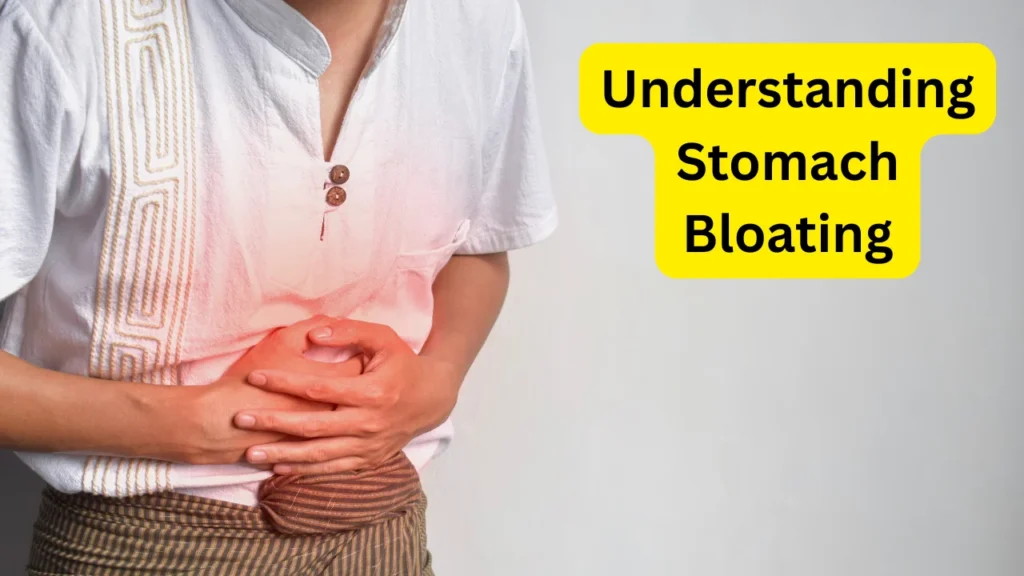
Bloating happens when your stomach feels full or tight due to gas, fluid, or food buildup. It’s common, affecting up to 30% of adults at some point. While diet and stress play roles, exercises for stomach bloating can help by improving digestion and reducing gas. Knowing why your stomach bloats is the first step to finding relief. Let’s break down the causes, symptoms, and how movement can make a difference.
Common Causes of Bloating
Your diet might be the culprit. Foods like beans, broccoli, or carbonated drinks can cause gas buildup. Stress and hormonal changes also trigger bloating. For some, eating too fast or swallowing air leads to discomfort. In my experience, even intense workouts can cause a bloated stomach after exercise if you’re not mindful of hydration or meal timing. Understanding these triggers helps you choose the right exercises to relieve bloated stomach symptoms.
Symptoms to Watch For
Bloating often feels like a tight, swollen belly. You might notice abdominal pain, excessive gas, or a feeling of fullness. Some experience stomach bloating during exercise, which can make workouts uncomfortable. If bloating persists or comes with severe pain, consult a doctor. For most, exercises to reduce stomach bloating can ease mild symptoms and improve gut health.
How Exercise Helps Bloating
Movement stimulates your digestive system, helping gas and waste move through. Exercises to relieve bloated stomach like yoga or walking encourage peristalsis, the natural contractions of your gut. They also reduce stress, a common bloating trigger. Regular activity can prevent future bloating by supporting overall digestive health. Let’s explore the best exercises to tackle that puffy feeling.
When to Seek Medical Advice
If your bloated stomach after exercising lasts for days or includes symptoms like vomiting or blood in stool, see a doctor. Chronic bloating could signal conditions like IBS or food intolerances. For most cases, bloated stomach exercises provide relief, but always listen to your body. Now, let’s look at specific workouts to help you feel lighter.
| Common Causes of Stomach Bloating | Description | How Exercise Helps |
|---|---|---|
| Gas Buildup | Trapped air from food or swallowing | Stimulates digestion |
| Poor Digestion | Slow gut motility | Promotes peristalsis |
| Stress | Triggers gut sensitivity | Reduces cortisol |
| Hormonal Changes | Fluid retention in women | Improves circulation |
Best Exercises for Bloated Stomach
Not all exercises are equal when it comes to bloating relief. The best exercise for bloated stomach focuses on gentle movement, core engagement, and stress reduction. Below, you’ll find proven workouts to help you debloat fast. These are beginner-friendly and easy to do at home.
Yoga Exercises for Stomach Bloating
Yoga exercises for stomach bloating are fantastic for relieving gas and stress. Poses like Child’s Pose or Cat-Cow stretch your abdomen, encouraging gas release. I learned the hard way that holding poses for 30-60 seconds maximizes benefits. Try these yoga moves to ease bloating naturally.
Child’s Pose
Kneel on the floor, sit back on your heels, and stretch your arms forward, resting your forehead on the ground. This pose compresses your abdomen, aiding digestion. Hold for 45 seconds while breathing deeply. It’s a go-to for bloated stomach yoga exercises because it’s gentle yet effective.
Cat-Cow Pose
On all fours, alternate between arching your back (Cow) and rounding it (Cat). This movement massages your digestive organs, reducing stomach bloating relief exercise needs. Do 8-10 cycles slowly. It’s perfect for beginners and feels soothing after a heavy meal.
Seated Spinal Twist
Sit cross-legged, twist your torso to one side, and hold for 30 seconds. This pose stimulates digestion and relieves gas. It’s one of the best exercises to get rid of bloated stomach because it targets your core directly. Repeat on both sides for balance.
Supine Twist
Lie on your back, hug one knee to your chest, and twist it across your body. Hold for 45 seconds per side. This pose helps release trapped gas and is ideal for exercises to reduce bloated stomach. It’s also relaxing, making it great before bed.
Core Exercises for Bloating
Strengthening your core can prevent bloating by improving gut motility. Stomach exercises for bloating like planks or pelvic tilts engage your abs without straining them. Here’s a tip I always give beginners: start slow to avoid bloated stomach after abdominal exercises.
Plank Hold
Hold a forearm plank for 20-30 seconds, keeping your core tight. This strengthens your abs and supports digestion. Avoid holding your breath to prevent can exercise cause stomach bloating. Planks are a top choice for exercises to reduce stomach bloat.
Pelvic Tilts
Lie on your back, knees bent, and tilt your pelvis upward, engaging your lower abs. Do 12-15 reps. This gentle move helps with exercise for bloating stomach by stimulating your gut. It’s low-impact and perfect for all fitness levels.
Bicycle Crunches
Lie on your back, lift your legs, and alternate touching elbows to opposite knees. Do 10-12 reps per side. This targets your obliques and aids digestion. Be cautious if you feel bloated stomach when exercising, as intense crunches can worsen discomfort.
Leg Raises
Lie flat, lift your legs to a 90-degree angle, and slowly lower them. Do 10 reps. This strengthens your lower abs, helping with exercise to reduce bloating stomach. Keep movements controlled to avoid strain.
Breathing Exercises for Bloated Stomach
Breathing exercises for bloated stomach calm your nervous system and reduce stress-related bloating. Diaphragmatic breathing is my favorite—it’s simple and works fast. Try these to ease discomfort and promote gut health.
Diaphragmatic Breathing
Sit or lie down, place one hand on your chest and one on your belly. Breathe deeply so your belly rises, not your chest. Do this for 5 minutes. It’s a top exercise for stomach bloating because it reduces stress and aids digestion.
Box Breathing
Inhale for 4 seconds, hold for 4, exhale for 4, and hold again for 4. Repeat for 3-5 minutes. This calms your body and reduces bloating stomach exercises triggers like stress. It’s great before or after workouts.
Alternate Nostril Breathing
Close one nostril, inhale deeply, then switch and exhale. Repeat for 5 minutes. This balances your nervous system, helping with exercises to relieve bloated stomach. It’s a yoga-inspired technique that’s easy to master.
| Yoga Poses for Bloating Relief | Benefits | Hold Time |
|---|---|---|
| Child’s Pose | Releases gas | 45 seconds |
| Cat-Cow Pose | Massages gut | 8-10 cycles |
| Seated Spinal Twist | Stimulates digestion | 30 seconds |
| Supine Twist | Relieves bloating | 45 seconds |
Why Stomach Bloats After Exercise
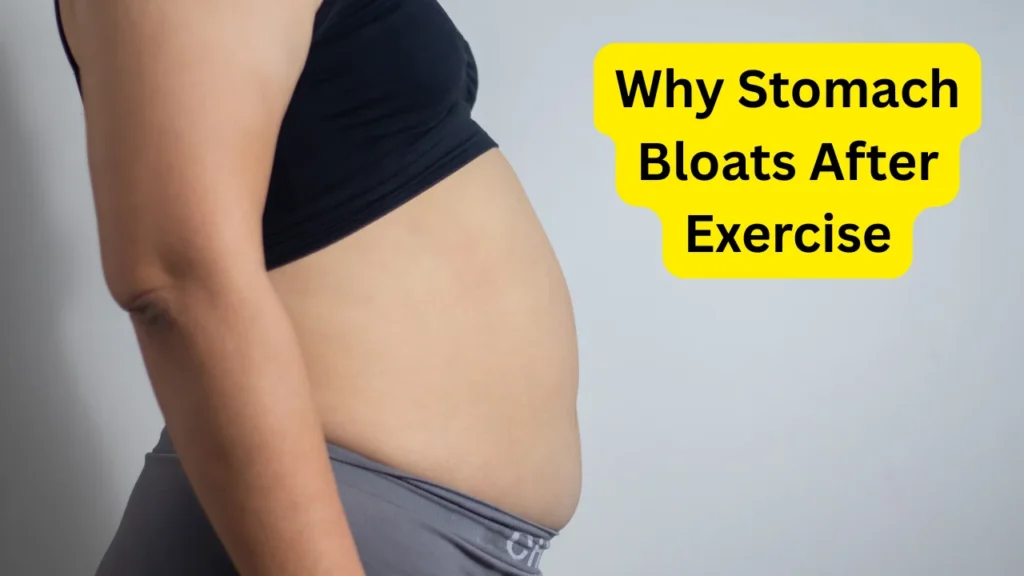
Ever wonder, why does my stomach bloat after exercise? It’s more common than you think. Dehydration, eating too close to workouts, or intense exercise can cause bloated stomach after exercising. Let’s explore why this happens and how to prevent it.
Dehydration and Bloating
Not drinking enough water during workouts can slow digestion, leading to bloated stomach despite exercise. Aim for 8-16 ounces of water per hour of exercise. Sip slowly to avoid swallowing air, which can worsen stomach bloating when exercising.
Eating Before Workouts
Eating a heavy meal right before exercise can cause bloated stomach after exercise and eating. Wait 2-3 hours after a meal before working out. If you need a snack, choose something light like a banana to avoid exercise-induced bloating stomach.
Intense Workouts and Bloating
High-intensity exercises like running can jolt your digestive system, causing stomach bloating during exercise. Switch to low-impact options like yoga exercises for stomach bloating if you notice discomfort. Gentle movement is less likely to trigger bloating.
How to Prevent Post-Exercise Bloating
To avoid why does my stomach get bloated after exercise, hydrate well, eat light, and cool down properly. Stretching after workouts helps your body relax and prevents after exercise my stomach is bloated. Try walking or yoga to wind down.
| Tips to Prevent Post-Exercise Bloating | Action |
|---|---|
| Stay Hydrated | Drink 8-16 oz water per hour |
| Time Your Meals | Eat 2-3 hours before exercise |
| Choose Low-Impact Workouts | Try yoga or walking |
| Cool Down Properly | Stretch for 5-10 minutes |
Lifestyle Tips for Bloating Relief
Exercise alone isn’t enough to keep bloating at bay. Combining exercises to get rid of a bloated stomach with lifestyle changes maximizes results. Here are five strategies to reduce bloating long-term.
Stay Hydrated Daily: Drink 8-10 glasses of water to support digestion and prevent bloated stomach even after exercise.
Eat Smaller Meals: Large meals can overwhelm your gut, causing stomach bloating after abdominal exercises. Opt for 4-5 small meals.
Manage Stress: High stress triggers bloating and stomach pain after exercise. Try meditation or breathing exercises for bloated stomach.
Avoid Trigger Foods: Cut back on carbonated drinks, beans, or dairy if they cause exercise bloating stomach. Keep a food diary.
Exercise Regularly: Consistent exercises to reduce stomach bloating like yoga or walking prevent bloating from returning.
Also Read: Castor Oil for Constipation
FAQs
Can exercise cause stomach bloating?
Yes, intense workouts or eating too soon before exercise can cause bloated stomach when exercising. Opt for low-impact exercises for bloating stomach like yoga.
What’s the best exercise for bloated stomach?
Yoga exercises for stomach bloating like Child’s Pose or Supine Twist are highly effective. They gently massage your gut and relieve gas.
Why does my stomach bloat after exercise?
Dehydration, eating too close to workouts, or intense exercise can lead to bloated stomach after exercise. Hydrate and choose gentle movements.
Do breathing exercises help bloated stomach?
Yes, breathing exercises for bloated stomach like diaphragmatic breathing reduce stress and promote digestion, easing bloating fast.
Can I exercise with a bloated stomach?
Yes, but stick to low-impact exercises to relieve bloated stomach like walking or yoga. Avoid intense ab exercises with a bloated stomach.
How long does bloating last after exercise?
Bloated stomach after exercising usually subsides within a few hours. If it persists, try exercises to reduce stomach bloating and consult a doctor.
Summary
Bloating can be a real pain, but bloating stomach exercises like yoga, core workouts, and breathing techniques offer relief. Poses like Child’s Pose or diaphragmatic breathing can ease gas and discomfort fast. Pair these with lifestyle changes like staying hydrated and eating smaller meals to prevent bloated stomach after exercise. At Bright Care Health, we recommend starting with gentle movements and listening to your body for best results. Whether you’re dealing with stomach bloating during exercise or just want a flatter tummy, these strategies work. You’ll feel lighter and more comfortable in no time.

Dr. Max is a passionate writer with deep expertise in the health industry. He shares insightful, research-based content on wellness, fitness, and remedies to help readers make informed and healthier lifestyle choices.